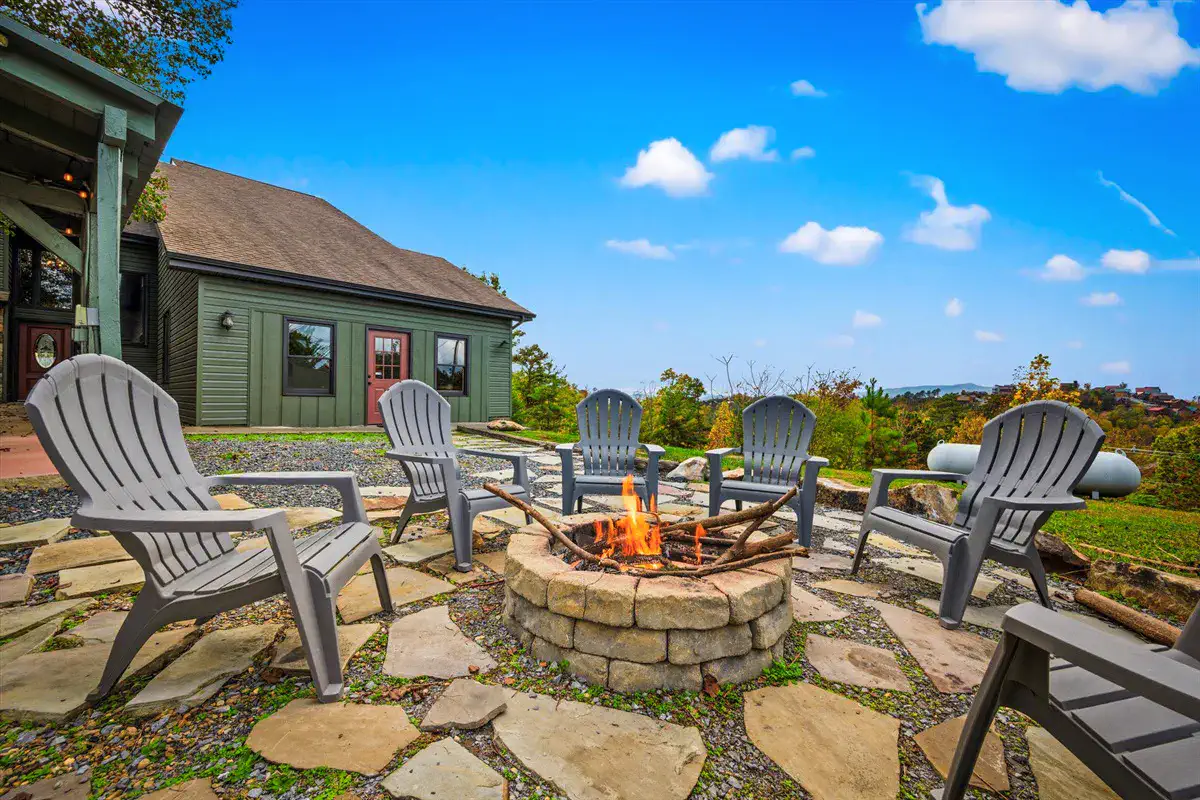
The shape of a Smokies view
From Sevierville’s foothills you’re looking across stacked ridgelines toward higher summits such as Mount Le Conte, with valleys that can hold low morning fog. Leaf‑off months open longer sightlines, while summer’s humidity and natural/industrial haze can soften distant features even on fair days. The National Park Service notes that haze has historically reduced summer visual range dramatically in the Great Smoky Mountains, though conditions vary day by day. (nps.gov)
When skies tend to be clearest
- Early fall through mid‑fall brings many clear days with lower humidity; September is the clearest month on average for sky cover in the park region. (weatherspark.com)
- Late fall and winter often deliver crisp, long‑range views after cold fronts, plus leaf‑off visibility; park and state air‑quality reports show the worst visibility typically occurs in warm, stagnant summer patterns. (comptroller.aem.tn.extglb.tn.gov)
- After a rain or frontal passage, visibility commonly improves for a day or two; cold, clear mornings can feature valley fog that usually lifts by late morning. (weather.gov)
Summer realities
Warm, humid months see more haze from both air pollution and biogenic emissions from the forest—the “smoke” that gives the mountains their name—which can blur far ridges during midday. Plan sunrise/late‑day soaks for better definition. (nps.gov)
Simple timing tips for your hot‑tub view
- Check the NPS “Park Air” and local forecasts; aim for post‑frontal days.
- For photography, target early morning after rain or late golden hour.
- In winter, be flexible with mountain driving; enjoy the long views from the cabin on clear, cold days. (nps.gov)